Skip to content

Our story

Inyathi Pole Syringes began in the early 2000s with a simple but important challenge:

How do you safely medicate an animal you can’t get close to?

At the time, the need came from wildlife vets and game capture teams working with dangerous animals in the field. The first pole syringe was designed and built by hand on a small lathe, with each component carefully developed to solve a real-world problem.

What started as a practical solution quickly gained traction through word of mouth. Over time, the design evolved, including the introduction of telescopic poles for greater ease of use. The product range expanded as more professionals—veterinarians, farmers, welfare organisations, and wildlife teams—began using Inyathi systems in their daily work.
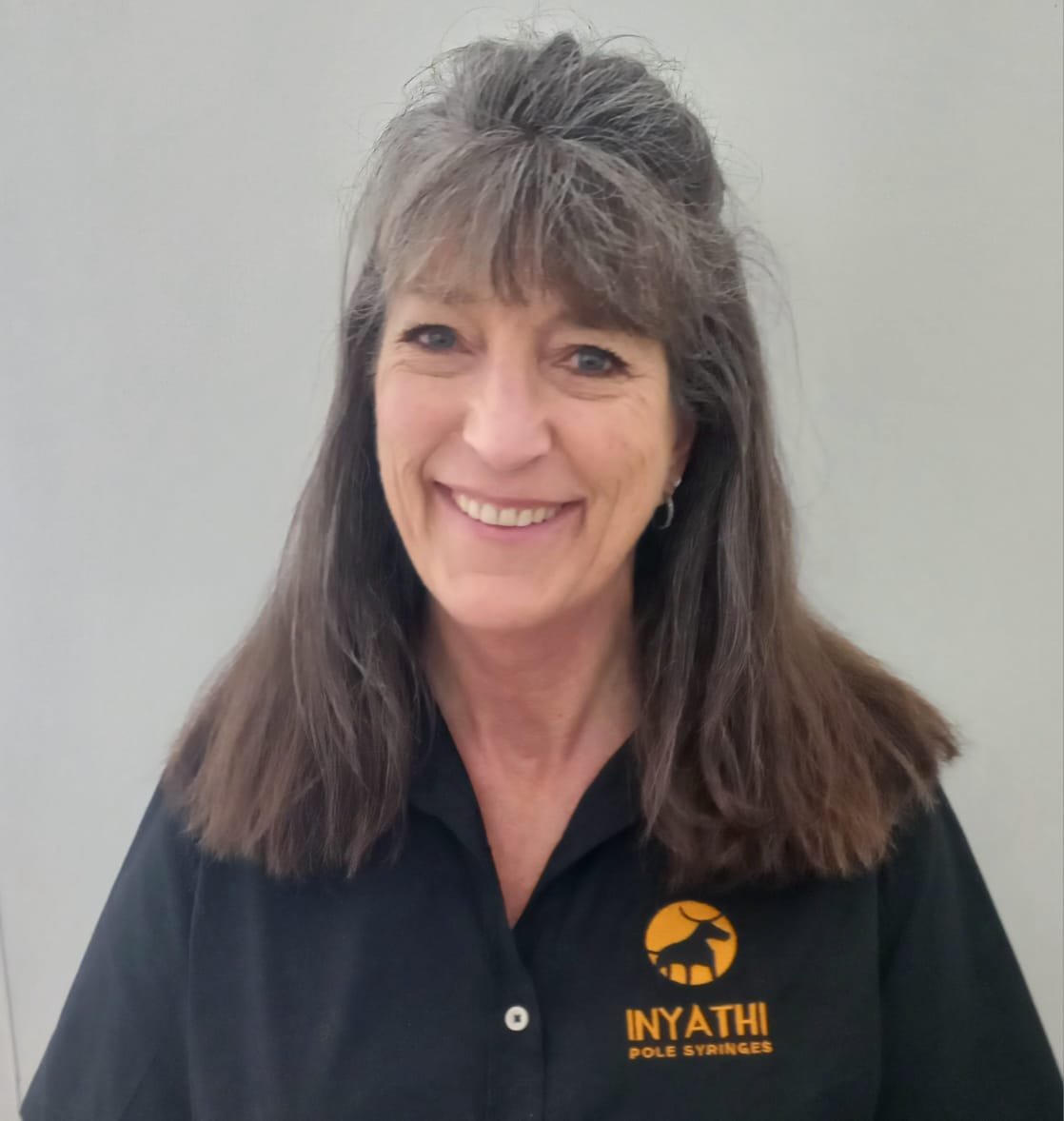
Today, Inyathi Pole Syringes is run by Leanne, who continues to focus on what the business was built on from the beginning: solving real problems with reliable, well-made equipment.

Every product is designed with practical use in mind, and every customer interaction is handled personally, ensuring that the right solution is found for each situation.

Honouring the people who helped shape Inyathi

Inyathi Pole Syringes would not exist without the people whose experience, innovation, and dedication helped shape its beginnings.

Their contribution remains part of the foundation on which Inyathi was built.

We would like to honour:

Dr Paul Meyer

Dr Paul Meyer, was a remarkable veterinarian and a highly respected figure in the wildlife industry.

He was always so willing to help.

Through his work, particularly in rhino conservation, came the need for a safer, easier way to medicate dangerous animals from a short distance.

That idea inspired the original Inyathi Pole Syringe.

Deon Joubert

Whose engineering ability, creativity, and countless hours of hands-on development established Inyathi Pole Syringes in the wildlife industry and beyond.

Shaun Rambert

Shaun was an important part of the game capture industry, especially with the relocating of animals. His practical insight helped influence the development of the telescopic pole system used today.

“If you have a specific challenge, we’re always open to developing solutions that meet real needs in the field.”